

Are you ready to embark on your entrepreneurial journey in Thailand? 🇹🇭 Hold on tight! Before you dive headfirst into registering your business, there’s a crucial decision you need to make: Thai-owned or foreign-owned company? This choice can significantly impact your business operations, financial obligations, and legal responsibilities.
Navigating the complex landscape of company registration in Thailand can be overwhelming, especially for foreign investors. With a myriad of regulations, ownership structures, and compliance requirements, it’s easy to feel lost in a sea of information. But fear not! We’re here to shed light on the key differences between Thai and foreign-owned companies, helping you make an informed decision that aligns with your business goals.
In this comprehensive guide, we’ll explore the intricacies of both company types, from understanding Thai company structures to the unique advantages of foreign-owned entities. We’ll delve into the legal considerations, financial implications, and step-by-step registration processes for each option. So, whether you’re a local entrepreneur or an international investor, buckle up as we unravel the essential knowledge you need to kickstart your business venture in the Land of Smiles! 🚀
Understanding Thai Company Structures
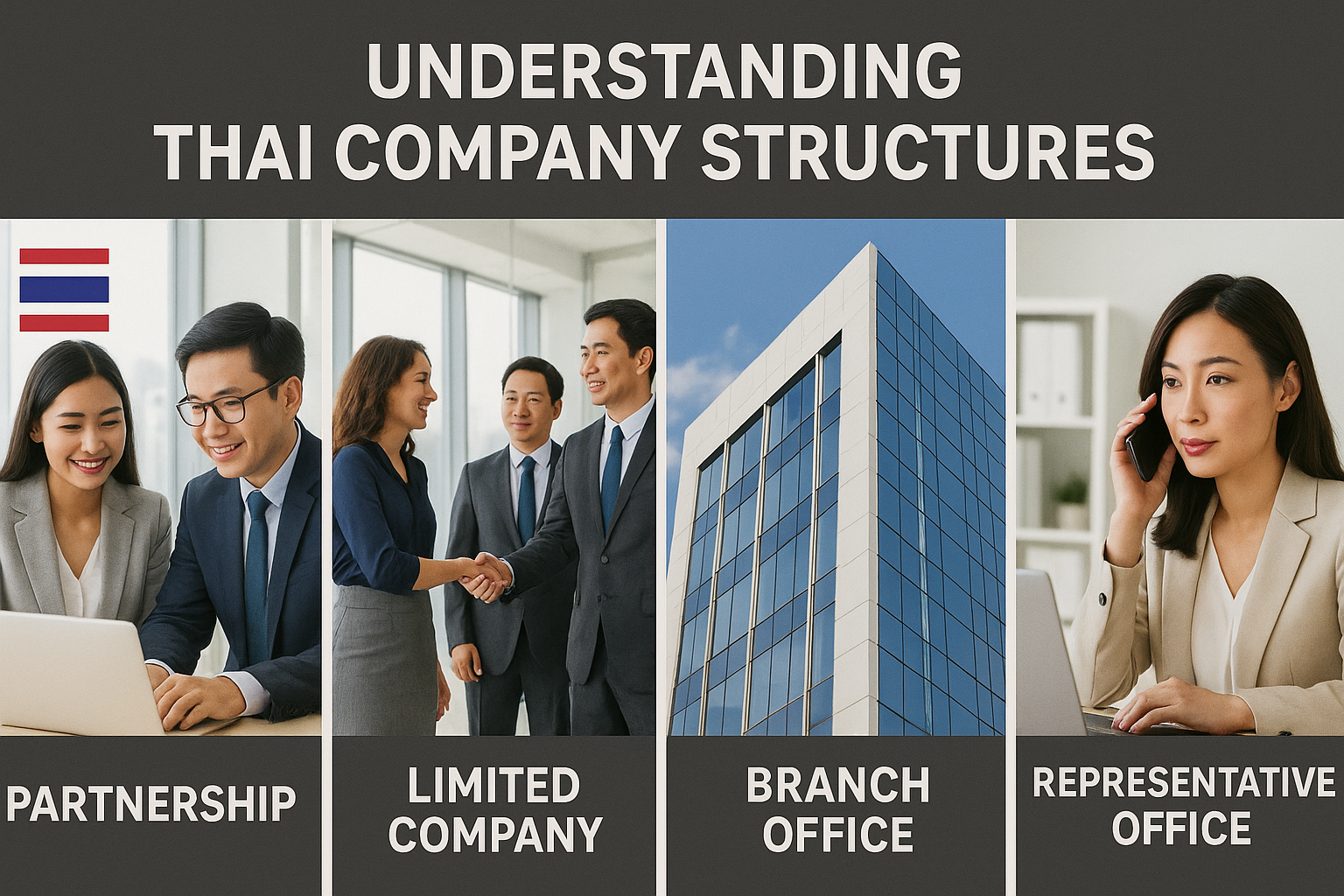
A. Thai Limited Company
Thai Limited Companies are the most common business structure in Thailand. They offer limited liability protection and are suitable for both small and large enterprises. Here’s a comparison of key features:
| Feature | Description |
|---|---|
| Ownership | Minimum 3 shareholders |
| Liability | Limited to invested capital |
| Management | Board of Directors |
| Taxation | Corporate income tax |
B. Board of Directors requirements
The Board of Directors plays a crucial role in Thai Limited Companies. Key requirements include:
- Minimum of one director
- At least one director must be a Thai national
- Directors can be shareholders
- Board meetings must be held at least once per quarter
Foreign-Owned Company Options in Thailand
Board of Investment (BOI) promotion
The BOI offers attractive incentives for foreign investors:
- Tax exemptions
- Land ownership rights
- Relaxed foreign ownership restrictions
| Incentive | Description |
|---|---|
| Tax breaks | Up to 8 years corporate income tax exemption |
| Land ownership | 100% foreign ownership of land allowed |
| Work permits | Easier process for foreign employees |
Foreign Business License
Foreign investors can apply for a Foreign Business License to operate in restricted sectors. This process involves:
- Submitting application to Ministry of Commerce
- Demonstrating business viability
- Proving sufficient capital investment
- Obtaining approval from Foreign Business Committee
Key Differences Between Thai and Foreign-Owned Companies
Ownership restrictions
Thai-owned companies require 51% Thai ownership, while foreign-owned businesses can have 100% foreign ownership. This key difference impacts control and decision-making.
| Company Type | Ownership Requirement |
|---|---|
| Thai-owned | 51% Thai ownership |
| Foreign-owned | Up to 100% foreign |
Land ownership rights
Thai companies have unrestricted land ownership rights, whereas foreign-owned businesses face limitations. Foreign companies typically lease land or own through a Thai holding company.
- Thai companies: Full land ownership rights
- Foreign companies: Limited ownership, often require leasing or Thai holding company
Benefits of Registering a Thai-Owned Company
Easier market entry
Registering a Thai-owned company offers significant advantages for market entry. Local ownership often leads to:
- Smoother bureaucratic processes
- Better understanding of local business culture
- Enhanced networking opportunities
- Increased trust from local customers and partners
| Aspect | Thai-Owned Company | Foreign-Owned Company |
|---|---|---|
| Market Entry | Easier | More challenging |
| Local Knowledge | Built-in | Needs to be acquired |
Local partner advantages
Thai partners bring invaluable local expertise and connections. Their involvement can facilitate:
- Navigating complex regulations
- Accessing local supplier networks
- Understanding consumer preferences
- Resolving cultural and language barriers
Advantages of Foreign-Owned Company Registration
Full foreign control
Foreign-owned companies in Thailand offer complete control over business operations. This autonomy allows for:
- Unrestricted decision-making
- Implementation of global strategies
- Flexibility in management structure
| Aspect | Benefit |
|---|---|
| Ownership | 100% foreign-held |
| Management | Full control |
| Strategy | Global alignment |
Repatriation of profits
Foreign investors can freely transfer profits back to their home countries. This financial flexibility supports:
- Reinvestment in global operations
- Attractive returns for international shareholders
- Reduced currency exchange risks
Legal Considerations for Both Company Types
Work permit requirements
- Thai-owned companies:
- Thai nationals: No work permit needed
- Foreign employees: Work permit required
- Foreign-owned companies:
- All foreign employees need work permits
- Quota system: 1 work permit per 4 Thai employees
| Company Type | Thai Employees | Foreign Employees |
|---|---|---|
| Thai-owned | No permit | Permit required |
| Foreign-owned | No permit | Permit required |
Visa regulations
Long-term visas are crucial for foreign business owners and employees. Non-Immigrant B Visa is common for business purposes, allowing stays up to 90 days with possible extensions. Foreign entrepreneurs may qualify for the Thailand Elite Visa, offering longer stays and additional privileges.
Financial Implications of Company Registration
A. Minimum registered capital differences
| Company Type | Minimum Registered Capital |
|---|---|
| Thai-owned | 100,000 THB |
| Foreign-owned | 2-3 million THB |
Foreign-owned companies require significantly higher minimum registered capital compared to Thai-owned businesses. This capital requirement ensures financial stability and commitment to the Thai economy.
B. Tax structures and incentives
- Corporate Income Tax: 20% for both types
- BOI incentives: Available for qualifying industries
- VAT: 7% standard rate
Both Thai and foreign-owned companies face similar tax structures, but foreign businesses may encounter additional scrutiny. BOI incentives can offset costs for eligible sectors, promoting investment in key industries.
Steps to Register Your Chosen Company Type
Document preparation
- Business name reservation
- Memorandum of Association
- Articles of Association
- Shareholder list
- Director information
| Document | Purpose |
|---|---|
| Business name | Unique identification |
| Memorandum | Company objectives |
| Articles | Internal regulations |
Registration with Department of Business Development
To complete the registration process, submit the prepared documents to the DBD. Expect processing time of 1-3 business days. Once approved, you’ll receive the company registration certificate, marking your business as officially established in Thailand.
Choosing between a Thai-owned and foreign-owned company structure is a critical decision for entrepreneurs looking to establish a business in Thailand. Each option comes with its own set of advantages, legal considerations, and financial implications. Thai-owned companies offer easier market entry and access to certain restricted industries, while foreign-owned structures provide greater control and flexibility for international investors.
Before making your decision, carefully evaluate your business goals, the nature of your industry, and your long-term plans in Thailand. Consult with legal and financial experts to ensure compliance with Thai regulations and to optimize your company structure for success. Whichever path you choose, thorough research and proper planning will set a strong foundation for your business venture in the Land of Smiles.