

Are you dreaming of spending your golden years in the Land of Smiles? 🌴☀️ Thailand’s warm climate, rich culture, and affordable lifestyle make it an attractive destination for retirees worldwide. But before you pack your bags, it’s crucial to understand the visa options available to you.
While Thailand offers various long-term visas, the Retirement Visa stands out as a popular choice for seniors looking to settle in this tropical paradise. However, it’s not the only path to extended stays in Thailand. How does it compare to other visa types? What are the key differences in eligibility, benefits, and restrictions?
In this comprehensive guide, we’ll unravel the complexities of Thai visa options, focusing on the unique aspects of the Retirement Visa. We’ll explore everything from application processes and financial requirements to rights and long-term residency pathways. Whether you’re a retiree, a digital nomad, or simply seeking an extended stay in Thailand, this information will help you make an informed decision about your visa strategy. Let’s dive in and discover which Thai visa aligns best with your dream of living in the Land of Smiles!
Overview of Thai Long-Term Visas

Types of long-term visas available
Thailand offers several long-term visa options for foreigners:
- Retirement Visa
- Non-Immigrant Visa (B, O, ED)
- Elite Visa
- Smart Visa
| Visa Type | Purpose | Duration |
|---|---|---|
| Retirement | For retirees | 1 year |
| Non-Immigrant | Work, study, family | 90 days to 1 year |
| Elite | Privileged stay | 5-20 years |
| Smart | Skilled professionals | Up to 4 years |
General eligibility requirements
Eligibility criteria vary by visa type but generally include:
- Age requirements (e.g., 50+ for retirement visa)
- Financial proof (income or savings)
- Clean criminal record
- Valid passport
- Health insurance (for some visas)
Retirement Visa Specifics
Age requirements
- Minimum age: 50 years old
- No maximum age limit
Financial criteria
| Requirement | Amount (THB) |
|---|---|
| Bank deposit | 800,000 |
| Monthly income | 65,000 |
| Combination | 800,000 total |
Health insurance mandates
Retirees must have health insurance coverage of at least 400,000 THB for outpatient care and 40,000 THB for inpatient care. This requirement ensures adequate medical protection during their stay in Thailand.
Benefits for retirees
Thailand’s retirement visa offers several advantages, including extended stay periods, multiple re-entry permits, and the ability to open bank accounts. Retirees can enjoy a relaxed lifestyle in a tropical paradise while benefiting from the country’s lower cost of living.
Non-Immigrant Visa Options
Business visa (Non-B)
The Non-B visa caters to foreigners working in Thailand. Key requirements include:
- Employment offer from a Thai company
- Work permit application
- Minimum salary requirement
| Validity | Extension | Benefits |
|---|---|---|
| 90 days | Up to 1 year | Work legally |
Education visa (Non-ED)
Non-ED visas are for students and language learners. They offer:
- Study at accredited institutions
- Part-time work opportunities
- Cultural immersion
Now, let’s explore the Marriage visa, which provides a different path for long-term stay in Thailand.
Key Differences in Application Processes
Documentation requirements
-
Retirement Visa:
- Proof of pension or savings
- Health certificate
- Police clearance
-
Other Long-Term Visas:
- Work permit (for Non-B)
- Marriage certificate (for Non-O)
- Enrollment proof (for ED visa)
| Visa Type | Key Documents |
|---|---|
| Retirement | Financial proof, health certificate |
| Non-B | Work permit, employment contract |
| Non-O | Marriage certificate, Thai spouse ID |
Processing times
Retirement visas typically take 2-4 weeks to process, while other long-term visas may vary. Non-B visas for work can be expedited, often processed within 1-2 weeks. Educational visas may take longer, especially if requiring additional verification of enrollment status.
Financial Implications
A. Minimum fund requirements
Different visas in Thailand come with varying financial requirements:
| Visa Type | Minimum Fund Requirement |
|---|---|
| Retirement | 800,000 THB in bank |
| Non-Immigrant B | No specific amount |
| Elite Visa | 500,000 – 2,000,000 THB |
B. Proof of income variations
Income proof requirements differ across visa types. Retirement visas demand a monthly income of 65,000 THB or a combination of savings and income. Non-Immigrant B visas typically require proof of employment, while Elite visas focus on a one-time fee payment rather than ongoing income proof.
Rights and Restrictions
Work permit eligibility
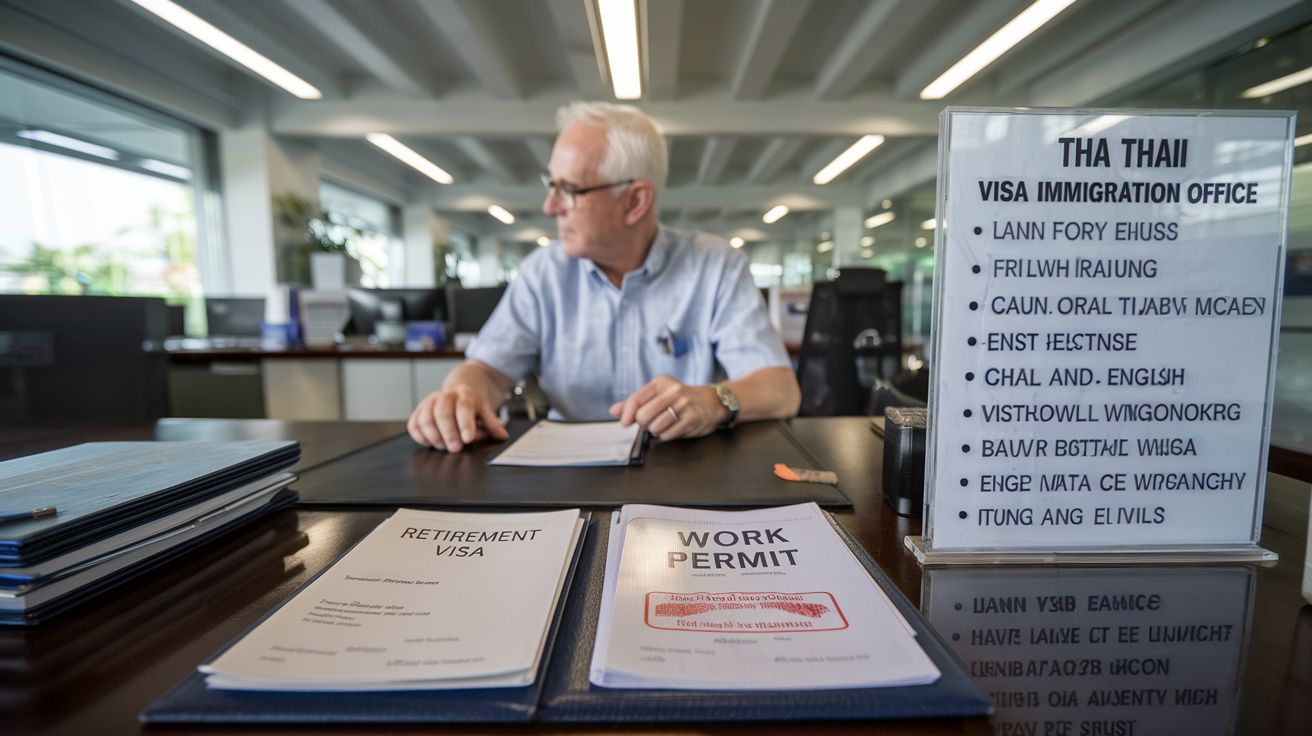
- Retirement Visa: No work permit allowed
- Non-Immigrant B Visa: Work permit eligible
- Elite Visa: No work permit, but business networking allowed
| Visa Type | Work Permit Eligibility |
|---|---|
| Retirement | Not allowed |
| Non-Immigrant B | Allowed |
| Elite | Limited business activities |
Property ownership rules
While all long-term visa holders can own condominiums, only those with specific investment visas can own land. Retirement visa holders face restrictions on land ownership but can lease property long-term. Non-immigrant visa holders may have more flexibility depending on their specific visa category and purpose of stay.
Long-Term Residency Pathways
Permanent residency options
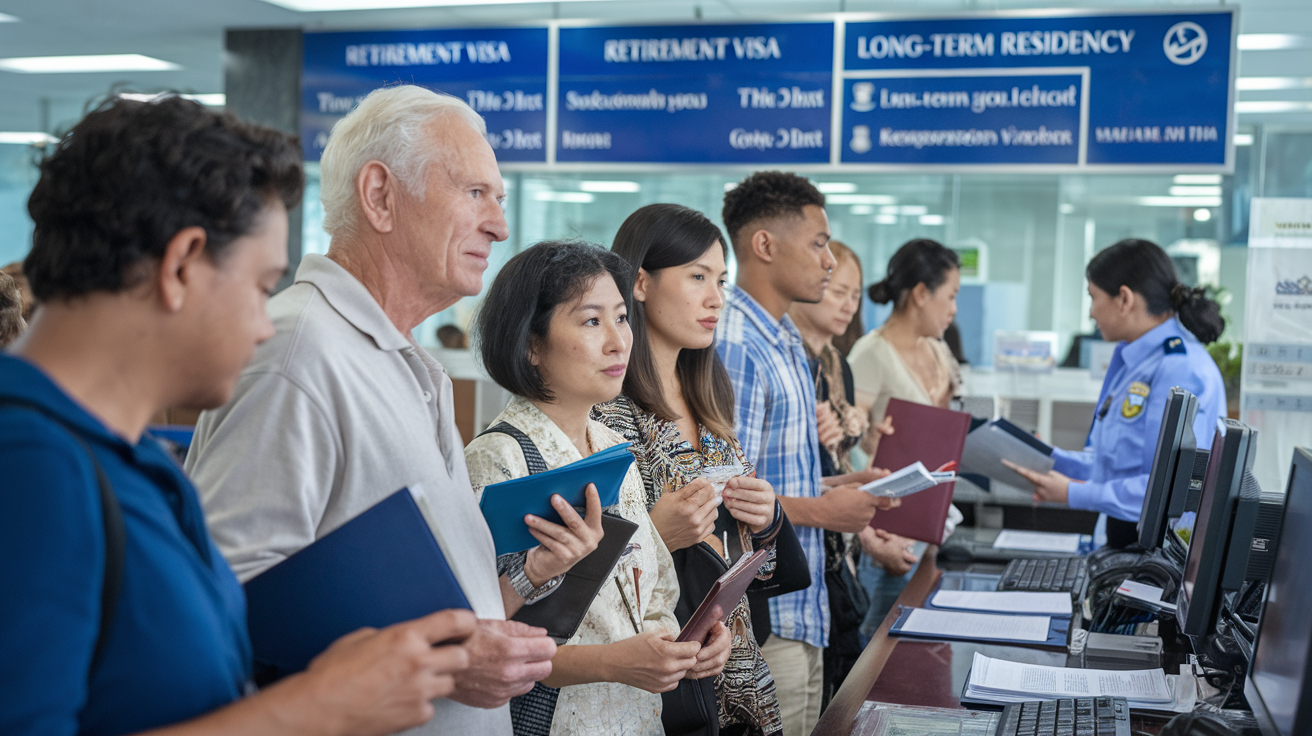
Thailand offers a path to permanent residency for long-term visa holders. Requirements include:
- 3 consecutive years on a non-immigrant visa
- Minimum annual income of 800,000 THB
- Investment in Thai business or government bonds
- Fluency in Thai language
| Visa Type | Years Required | Income Threshold |
|---|---|---|
| Retirement | 3 | 800,000 THB |
| Work | 3 | 800,000 THB |
Citizenship possibilities
Obtaining Thai citizenship is challenging but possible. Key requirements:
- 5 years of permanent residency
- Proficiency in Thai language and culture
- Clean criminal record
- Renunciation of previous citizenship (in some cases)
Thailand offers a variety of long-term visa options, each catering to different needs and circumstances. The retirement visa stands out as a popular choice for those looking to spend their golden years in the Land of Smiles. Unlike other non-immigrant visas, it specifically caters to retirees, offering unique benefits and requirements tailored to this demographic.
Navigating the Thai visa landscape can be complex, but understanding the key differences between visa types is crucial for making an informed decision. Whether you’re considering a retirement visa or exploring other long-term options, it’s essential to carefully evaluate the application processes, financial requirements, and associated rights and restrictions. By doing so, you can choose the visa that best aligns with your goals and circumstances, ensuring a smooth and enjoyable stay in Thailand.